
iPhone 18 Pro Max Haptic Feedback Engine: How Apple's Tactile Technology Compares to Android
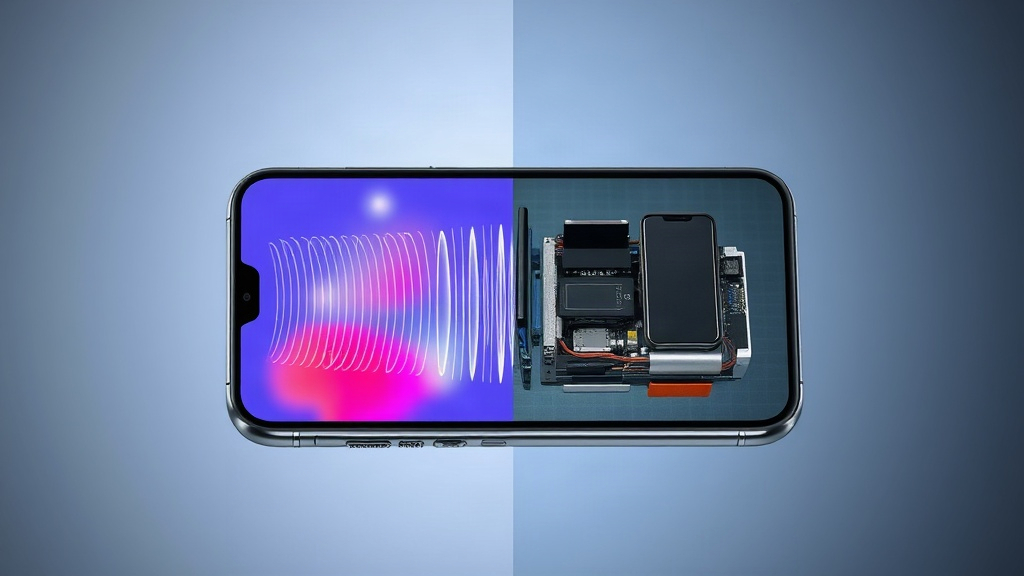
iPhone 18 Pro Max Haptic Feedback Engine: How Apple's Tactile Technology Compares to Android
Disclaimer: The iPhone 18 Pro Max has not been officially announced by Apple. The information in this article is based on rumors, analyst predictions, and industry reports. Specifications and features are subject to change upon official release.
Understanding Haptic Feedback Technology
Haptic feedback—the subtle vibrations and tactile responses your phone produces—has become a critical differentiator among premium smartphones. Rather than simple buzzes, modern haptic engines deliver precise, nuanced sensations that enhance everything from gaming to texting to system navigation.
The iPhone 18 Pro Max is rumored to advance Apple's haptic technology further, building on the proven Taptic Engine foundation established in previous generations.
iPhone 18 Pro Max: Expected Haptic Innovations
Industry sources suggest the iPhone 18 Pro lineup may introduce several haptic enhancements:
Rumored Features:
- Multi-layer haptic drivers – Expected to deliver more distinct tactile layers and greater feedback precision than previous Taptic Engines
- AI-optimized haptic profiles – Rumored adaptive haptics that adjust intensity based on context and user behavior
- Improved power efficiency – Reports suggest better haptic performance with less battery drain
- Enhanced gaming response – Expected advanced feedback specifically tuned for gaming and interactive apps
How iPhone 18 Pro Max Haptics Compare to Android Flagships
Samsung Galaxy S25 Ultra
Samsung's latest Ultra models feature advanced haptic engines with multiple feedback zones. Android's Galaxy S25 Ultra delivers rich, immersive haptics across gaming and everyday tasks. However, Apple's integration between hardware and software—particularly in iOS optimization—has historically given iPhone an edge in refined, responsive feedback.
Google Pixel 9 Pro XL
Google's Pixel phones offer impressive haptic fidelity with AI-enhanced feedback. The Pixel 9 Pro XL provides natural, nuanced haptics that feel premium. Google excels at software-level haptic optimization, though some users find the overall intensity more subtle than Apple's approach.
OnePlus 13
OnePlus continues improving haptic response with its linear motor technology. The OnePlus 13 delivers fast, accurate feedback with excellent gaming performance. OnePlus competes well on raw haptic speed, though Apple typically maintains an advantage in haptic diversity and refinement.
Key Advantages of Apple's Haptic Approach
Hardware-Software Integration: Apple controls both iOS and the Taptic Engine hardware, enabling seamless optimization. Developers can fine-tune haptic feedback specifically for iPhone, creating highly polished experiences.
Consistency: Every iPhone 18 Pro Max will deliver identical haptic performance—a consistency advantage over Android's fragmented ecosystem where different manufacturers use different engines.
Refined Feedback Vocabulary: Apple's haptic language—from notification patterns to gaming rumbles—has become industry-standard for subtlety and precision.
Battery Efficiency: Expected improvements in power management mean sophisticated haptics without significant battery hit.
Where Android Competitors Excel
Customization: Android phones often allow greater user customization of haptic intensity and feedback patterns.
Intensity Options: Some Android flagships offer more pronounced, aggressive haptic feedback preferred by power users and gamers.
Innovation Speed: Android manufacturers often experiment with haptic features (like multiple driver zones) before Apple adoption.
Real-World Haptic Performance Scenarios
Gaming
The rumored advanced haptic engine on the iPhone 18 Pro Max is expected to excel in gaming, delivering distinct feedback for collisions, impacts, and environmental textures. Android flagships like the Galaxy S25 Ultra compete strongly here, though Apple's ecosystem advantage means more games are optimized specifically for Taptic Engine capabilities.
Typing and Navigation
iPhone has historically provided the most satisfying keyboard haptics. The expected iPhone 18 Pro Max improvements should maintain this advantage with even more nuanced keystroke feedback.
System Notifications
Apple's distinctive haptic patterns for calls, messages, and alerts are instantly recognizable. The iPhone 18 Pro Max is expected to refine these patterns with greater sophistication.
Buying Advice: Should Haptic Performance Influence Your Choice?
Choose iPhone 18 Pro Max If:
- You value refined, subtle haptic feedback
- You want guaranteed consistency across all apps
- You prioritize gaming with optimized developer support
- You prefer the iOS ecosystem overall
Consider Android Alternatives If:
- You want more intense, customizable haptic feedback
- You prefer maximum control over notification settings
- You use specific Android apps with superior haptic implementation
- You want to explore emerging haptic innovations
The Future of Smartphone Haptics
Haptic technology continues evolving rapidly. The expected improvements in the iPhone 18 Pro Max represent Apple's commitment to tactile innovation, but competition remains fierce. Both Apple and Android manufacturers are investing heavily in haptic research, suggesting consumers will see increasingly impressive tactile experiences regardless of platform choice.
As smartphone screens become more similar year-to-year, haptic differentiation may become increasingly important. The rumored advancements in the iPhone 18 Pro Max's haptic engine signal that Apple views this as a key competitive area.
Conclusion
The expected haptic improvements on the iPhone 18 Pro Max appear positioned to maintain Apple's premium tactile technology leadership. However, Android flagships like Samsung and Google deliver compelling alternatives with their own strengths. Your choice should ultimately depend on your overall platform preference and specific use cases—haptic performance, while notable, is just one component of the broader smartphone experience.
If refined, nuanced haptic feedback is a priority and you're invested in the iPhone ecosystem, the expected iPhone 18 Pro Max improvements should satisfy. If you're flexible on platform, several Android alternatives offer competitive—and in some cases superior—haptic experiences for specific use cases.
Frequently Asked Questions
What is haptic feedback, and why does it matter on smartphones?
Haptic feedback refers to the vibrations and tactile sensations a phone produces. It enhances user experience by providing physical confirmation for actions like button presses, notifications, and in-game events. Quality haptic feedback makes interactions feel more responsive and immersive, influencing overall phone satisfaction.
Has Apple officially confirmed iPhone 18 Pro Max haptic improvements?
No. As of now, Apple has not officially announced the iPhone 18 Pro Max or its specifications. Information in this article is based on industry rumors and predictions. Always wait for official Apple announcements for confirmed specifications.
Does the iPhone 18 Pro Max have better haptics than Android phones?
The iPhone 18 Pro Max is rumored to feature advanced haptic technology, and Apple historically delivers refined tactile feedback. However, Android flagships like Samsung Galaxy S25 Ultra and Google Pixel 9 Pro XL offer competitive or superior haptic experiences depending on your preferences. 'Better' depends on whether you value subtlety (Apple's strength) or intensity/customization (some Android phones' strength).
Which Android phone has the best haptic feedback?
The Samsung Galaxy S25 Ultra, Google Pixel 9 Pro XL, and OnePlus 13 all offer excellent haptic feedback. Samsung excels at gaming haptics, Google emphasizes AI-optimized feedback, and OnePlus focuses on speed. Your best choice depends on your specific use cases and preference for feedback intensity.
Can I customize haptic feedback on iPhone 18 Pro Max?
While Apple typically allows users to enable/disable haptics and adjust vibration intensity, iPhone offers less customization than Android. If extensive haptic customization is important to you, Android phones generally provide more control options.
Will better haptics affect battery life on iPhone 18 Pro Max?
Rumors suggest the iPhone 18 Pro Max's expected improved haptics will be more power-efficient than previous generations, meaning better performance without significant battery drain. However, any haptic engine does consume some battery power.
Should I wait for iPhone 18 Pro Max for its haptics, or buy current iPhone?
Current iPhone models already offer excellent haptic feedback. If you need a phone now, iPhone 14 Pro Max, iPhone 15 Pro Max, or even iPhone 16 Pro Max provide premium haptics. If you can wait and want the latest technology, the expected iPhone 18 Pro Max improvements may justify waiting—though rumors suggest incremental, not revolutionary, improvements.
Community
Camera samples
No community photos yet for this article. Be the first to share one.
Discussion
Comments
No comments yet. Be the first to share your thoughts.