
iPhone 18 Pro Max Satellite Connectivity: How It Compares to Galaxy S26 Ultra's Emergency SOS
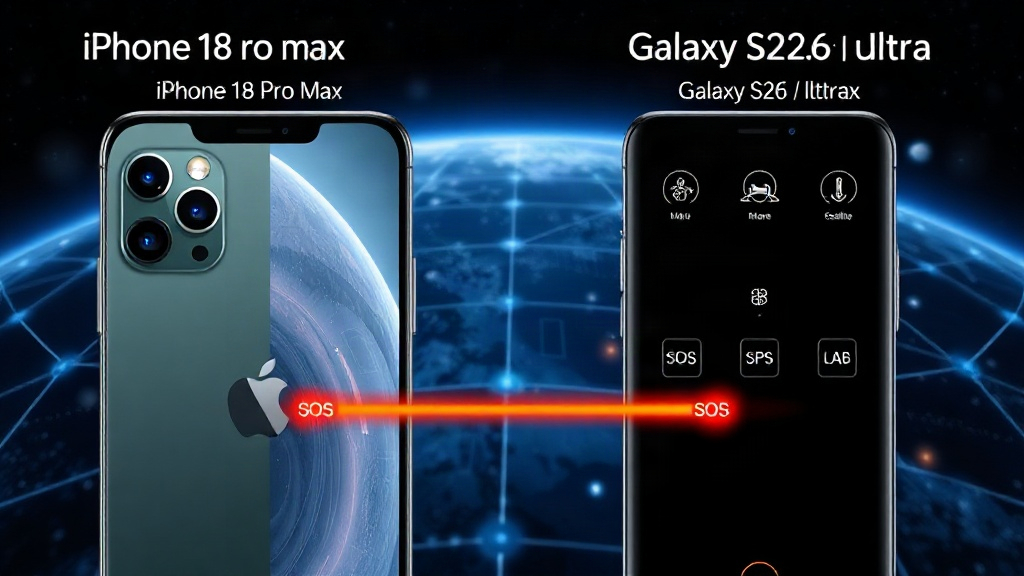
iPhone 18 Pro Max Satellite Connectivity vs Galaxy S26 Ultra Emergency SOS
Satellite connectivity has evolved from a premium novelty to an increasingly expected feature in flagship devices. The iPhone 18 Pro Max and Samsung's Galaxy S26 Ultra are rumored to expand their satellite communication capabilities, but their approaches may differ significantly. Understanding these differences can help you determine which device better suits your connectivity needs.
What We Expect From iPhone 18 Pro Max Satellite Features
Apple's satellite connectivity, initially introduced with the iPhone 14 Pro, is expected to receive substantial upgrades in the 18 Pro Max. Industry reports suggest Apple may expand beyond emergency SOS functionality to include broader messaging capabilities in areas without cellular coverage.
The expected improvements could include:
- Expanded Message Support: Rather than emergency-only communications, the device may support standard messaging apps through satellite when cellular networks are unavailable
- Faster Connection Times: Enhanced antenna design and processor improvements could reduce the time needed to establish satellite connections
- Improved Satellite Network: Potential partnerships with additional satellite providers beyond current agreements may expand coverage areas
- Dual Connectivity: Simultaneous satellite and cellular connection attempts for faster failover when coverage is weak
- Location Services Enhancement: Refined GPS and location accuracy through integrated satellite data
Galaxy S26 Ultra's Emergency SOS Strategy
Samsung's approach to emergency satellite connectivity is expected to emphasize reliability and simplicity. The Galaxy S26 Ultra's Emergency SOS system is rumored to focus on connecting users to emergency services and designated contacts when traditional networks fail.
Predicted features may include:
- Direct Emergency Dispatch: One-touch connections to emergency services via satellite, potentially with location sharing
- Preset Contact Alerts: Ability to send automated emergency alerts to multiple contacts with location data
- Battery Optimization: A dedicated emergency mode that conserves power while maintaining satellite connectivity
- Simplified Interface: Easy-to-access emergency features designed for high-stress situations
- Status Updates: Periodic automated status messages to emergency contacts when stuck without cellular coverage
Key Differences in Philosophy
iPhone 18 Pro Max Approach: Apple appears to be moving toward treating satellite connectivity as an alternative to cellular networks rather than merely an emergency feature. This broader integration could make satellite a utility for everyday use in remote areas.
Galaxy S26 Ultra Approach: Samsung's strategy seems focused on peace-of-mind emergency communications. By limiting satellite features to emergencies, the company may optimize for battery life and simplicity when it matters most.
Coverage Considerations
Both devices' satellite capabilities depend heavily on their respective network partnerships. The iPhone 18 Pro Max is expected to maintain Globalstar access, while Samsung may expand or establish new satellite partnerships. Coverage quality and availability will vary by region and provider agreements.
Neither device is likely to replace dedicated satellite communicators for serious expeditions, but they could provide meaningful connectivity for travelers, hikers, and those in rural areas who need emergency communication or basic messaging.
Practical Performance Factors
Connection Speed
The iPhone 18 Pro Max may establish faster satellite connections due to its advanced processors and antenna design. However, actual performance will depend on weather conditions, obstructions, and satellite position—factors beyond device capabilities.
Message Delivery Reliability
Both devices face similar limitations in harsh weather or dense tree cover. The Galaxy S26 Ultra's simpler emergency-focused approach might deliver higher success rates for critical communications, as fewer variables affect a single emergency alert compared to full messaging functionality.
Battery Impact
Expanded satellite messaging on the iPhone 18 Pro Max could consume more battery than the Galaxy S26 Ultra's emergency-only model. If you rely on your phone for days without charging, this becomes a critical consideration.
Which Is Better for Your Needs?
Choose iPhone 18 Pro Max If:
- You need occasional messaging from remote locations beyond emergencies
- You value seamless integration with Apple's ecosystem
- You prefer having more satellite features available rather than restrictions
- You spend extended time in remote areas and want flexible connectivity
Choose Galaxy S26 Ultra If:
- Your primary concern is reliable emergency communication
- Battery life during emergencies is a critical priority
- You prefer a simple, stress-free emergency interface
- You want a device optimized for helping you reach rescue services
Buying Advice: Satellite Features Shouldn't Be Your Only Consideration
While satellite connectivity is an appealing feature, remember it's not the primary reason to choose between these flagship devices. Both the iPhone 18 Pro and Galaxy S26 Ultra excel in photography, performance, and display technology. Satellite features are valuable additions for specific use cases, not everyday needs for most users.
If you're an urban user with reliable cellular coverage, satellite connectivity may rarely activate. If you frequently venture into remote areas or need peace-of-mind emergency communication, then satellite features become more meaningful selection criteria.
Consider testing other aspects—camera quality, processing power, design, and ecosystem fit—as primary factors. Treat satellite connectivity as a valuable secondary feature that adds to the device's overall capability rather than a deciding factor.
The Evolving Landscape
As satellite technology improves and partnerships expand, we can expect both Apple and Samsung to continuously refine these features. By the time these devices launch, their actual satellite capabilities may differ from current reports. Stay tuned to manufacturer announcements for official specifications.
Disclaimer: This article discusses expected and rumored features of unreleased devices. Specifications, availability, and capabilities described are based on industry reports and predictions and have not been officially confirmed by Apple or Samsung. Actual features may differ significantly from these expectations. Satellite connectivity availability varies by region and carrier agreements.
Frequently Asked Questions
Will the iPhone 18 Pro Max satellite connectivity work without a phone plan?
Satellite connectivity features, whether on iPhone or Galaxy devices, typically require a subscription or are included through specific carrier partnerships. Apple and Samsung have established specific agreements for satellite access. You'll need to verify with your carrier whether satellite messaging is included with your plan or requires an additional subscription.
Can I use satellite messaging for regular texting with the iPhone 18 Pro Max?
The iPhone 18 Pro Max is expected to support satellite messaging beyond emergencies, potentially allowing regular iMessage and SMS through satellite when cellular isn't available. However, this is rumored functionality and not yet officially confirmed. Speed and message size limitations may apply.
How much does satellite connectivity drain the battery?
Establishing satellite connections consumes significantly more battery than cellular connections due to the required antenna power. The Galaxy S26 Ultra's emergency-only approach would typically consume less battery than the iPhone 18 Pro Max's broader satellite messaging. In emergency-only mode, you might get several days of standby even with frequent satellite use.
Will satellite features work indoors or in dense forests?
Satellite connectivity requires a clear line of sight to the sky. Heavy tree cover, tunnels, caves, and indoors generally prevent connections. Both devices will struggle in forests or canyons. This is a fundamental limitation of current satellite technology, not a difference between devices.
Is satellite connectivity available worldwide?
Coverage varies significantly by region and satellite provider agreements. Both the iPhone 18 Pro Max and Galaxy S26 Ultra's satellite features will have geographic limitations. Coverage is typically best in North America, Europe, and other developed regions. Check specific provider coverage maps for your travel destinations.
Do I need a separate device for satellite communication if I have one of these phones?
For most users in accessible areas with occasional remote travel, having satellite connectivity on your flagship phone eliminates the need for a dedicated satellite communicator. However, serious expeditions to extreme wilderness areas still benefit from dedicated devices with better battery life and reliability.
Will older iPhone or Samsung phones get satellite features through updates?
Satellite connectivity requires specialized hardware (antennas, processors, modems) that older devices don't have. These features are limited to new flagship models. Your older iPhone or Samsung won't gain satellite capability through software updates.
Which device is better for emergencies: iPhone 18 Pro Max or Galaxy S26 Ultra?
Both devices are expected to offer reliable emergency communication. The Galaxy S26 Ultra's emergency-only focus may provide slightly better reliability for critical situations, while the iPhone 18 Pro Max offers more flexibility. In emergencies, any functioning communication is better than none—choose based on your overall phone preferences.
Community
Camera samples
No community photos yet for this article. Be the first to share one.
Discussion
Comments
No comments yet. Be the first to share your thoughts.