
iPhone 18 Pro Max Titanium vs Galaxy S26 Ultra Ceramic Shield: Scratch Resistance Comparison
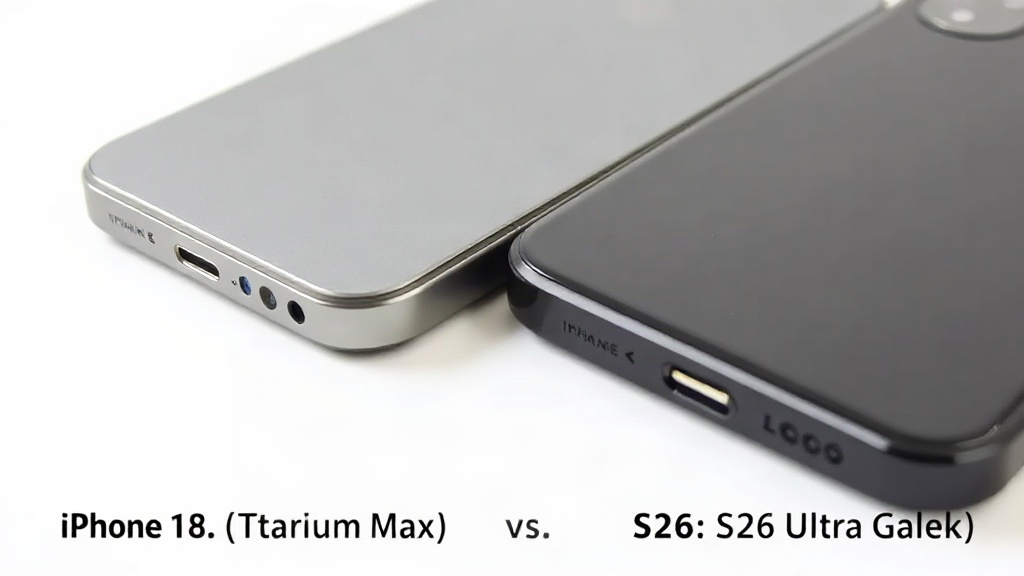
iPhone 18 Pro Max Titanium vs Galaxy S26 Ultra Ceramic Shield: Which Material Resists Scratches Better?
Disclaimer: The iPhone 18 Pro Max and Galaxy S26 Ultra are unreleased devices. Information presented here is based on industry speculation, expected design trends, and historical performance data. Actual specifications may differ from current rumors.
Understanding the Materials
When comparing flagship smartphones, the frame and protective materials play a crucial role in determining long-term durability. Two different philosophies have emerged in recent years regarding premium phone construction.
Titanium Frame Technology
Apple has been expected to continue using aerospace-grade titanium for the iPhone 18 Pro Max frame. This material offers several advantages:
- Lightweight compared to stainless steel predecessors
- High strength-to-weight ratio
- Excellent corrosion resistance
- Premium aesthetic appeal
Titanium is harder than aluminum but slightly softer than stainless steel. This creates an interesting trade-off: it resists denting better than aluminum but may show micro-scratches more visibly on polished surfaces.
Ceramic Shield Technology
Samsung's rumored Ceramic Shield for the Galaxy S26 Ultra represents a different approach to durability. Expected characteristics include:
- Harder surface than traditional glass or metal
- Superior scratch resistance on the display cover
- Improved drop protection
- Maintains optical clarity
Ceramic materials are significantly harder than titanium on the Mohs hardness scale, making them theoretically more resistant to scratching from everyday objects.
Scratch Resistance Comparison
Surface Hardness
On the Mohs hardness scale (which measures mineral hardness), titanium rates around 6-6.5, while ceramic materials typically score 8-9. This suggests that ceramic surfaces would resist scratches from common objects like keys and sand more effectively than titanium frames.
However, it's important to note that the entire frame construction differs between devices. The iPhone uses titanium on the sides and edges, while the display is covered by a protective glass layer. The Galaxy S26 Ultra is expected to feature ceramic shield primarily on the display surface.
Visible Scratch Patterns
Titanium's polished finish can show fine scratches more readily, particularly on reflective surfaces. These scratches may accumulate over time, creating a visible patina. Many users consider this part of the material's character, as titanium develops a unique appearance with age.
Ceramic materials are more resistant to light scratching but can show damage differently when harder impacts occur. Deep scratches in ceramic are less common but may appear more pronounced due to the material's nature.
Real-World Durability Testing
Based on historical data from previous iPhone and Samsung flagship models:
- Titanium frames typically show fine scratches after 6-12 months of regular use without a case
- Ceramic shields remain scratch-free longer but may develop small cracks if dropped on hard surfaces
- Both materials benefit significantly from protective cases
- Screen protectors are recommended for maximum protection
Corrosion and Environmental Factors
Titanium excels in environments with moisture or salt exposure. Its natural oxide layer provides superior corrosion resistance compared to ceramic materials. Users in coastal areas or high-humidity regions may find titanium frames more reliable long-term.
Ceramic shields don't corrode but can be affected by extreme temperature changes, potentially causing micro-fractures over extended periods.
Which Should You Choose?
Choose the iPhone 18 Pro Max Titanium if:
- You prioritize corrosion resistance
- You prefer a lighter phone
- You value the premium feel of metal
- You're willing to accept visible patina as character
- You live in humid or coastal climates
Choose the Galaxy S26 Ultra Ceramic Shield if:
- You want maximum scratch resistance on the display
- You prioritize optical clarity over time
- You prefer a glass-like screen feel
- You're careful with your devices
- You want protection against fine scratches from pocket debris
Practical Protection Tips
Regardless of which device you choose, follow these recommendations:
- Use a protective case: This is the single most effective way to preserve any flagship phone's appearance. Quality TPU or leather cases provide excellent protection for both materials.
- Apply a screen protector: Tempered glass screen protectors significantly reduce scratching risk and are inexpensive insurance.
- Keep separate from abrasive items: Don't store phones with keys, coins, or sharp objects in the same pocket or bag.
- Regular cleaning: Use microfiber cloths and gentle cleaners to maintain appearance without introducing debris that could cause scratching.
- Avoid extreme temperatures: Both materials can be affected by rapid temperature changes, particularly ceramic.
Industry Trends and Future Expectations
The smartphone industry continues to explore new material combinations for durability. Titanium remains popular for flagship models due to its premium positioning and historical performance. Ceramic coatings and shields are increasingly common on display surfaces across multiple manufacturers.
Future innovations may include hybrid approaches, combining both materials' best properties in a single device.
Frequently Asked Questions
Is titanium or ceramic more scratch-resistant?
Ceramic rates higher on the Mohs hardness scale (8-9) compared to titanium (6-6.5), making ceramic theoretically more resistant to scratches. However, real-world performance depends on how each material is used in the phone's construction and the type of protective coating applied.
Will the iPhone 18 Pro Max titanium frame scratch easily?
The titanium frame is durable and resists denting well, but polished titanium surfaces can show fine scratches after several months of unprotected use. This is considered normal wear. Using a protective case eliminates most scratching issues.
What's the difference between Ceramic Shield and regular glass?
Ceramic Shield is significantly harder than traditional glass, resists scratches better, and is more resistant to cracking from drops. It maintains optical clarity while providing superior durability.
Should I use a screen protector with either phone?
Yes, screen protectors are recommended for both devices. While both materials are durable, screen protectors provide additional protection and are inexpensive compared to screen repairs.
Which material is better for coastal living?
Titanium is better for coastal environments due to its superior corrosion resistance. The natural oxide layer on titanium provides excellent protection against salt spray and moisture that can affect other materials.
Do these materials affect the phone's weight?
Yes. Titanium is lighter than stainless steel but heavier than aluminum. Ceramic coating adds minimal weight since it's typically applied as a thin layer. The overall weight difference between the two phones will depend on their complete construction.
Can scratches be repaired on either material?
Minor scratches on titanium can sometimes be polished out or blended with the existing patina. Deep scratches on ceramic are more difficult to repair and may require professional service. Prevention through protective cases is the best approach.
How do these materials compare in drop protection?
Both materials offer good drop protection. Titanium resists denting, while ceramic resists cracking. The phones' overall engineering, including internal shock absorption and frame design, is equally important for drop protection as the material choice.
Community
Camera samples
No community photos yet for this article. Be the first to share one.
Discussion
Comments
No comments yet. Be the first to share your thoughts.